About Exosomes
- Home
- What are Exosomes?
Exosomes in Aesthetic Skincare

About Us
What Are Exosomes?
Exosomes are tiny extracellular vesicles naturally released by cells that play a critical role in cell-to-cell communication. In aesthetics, exosomes are lauded for their ability to transfer growth factors, proteins, and genetic material between cells, aiding skin regeneration and repair.
These mighty biological messengers stimulate collagen production, encourage skin renewal, and improve skin texture and tone. By leveraging exosome therapy in aesthetic treatments, practitioners aim to rejuvenate the skin by harnessing the body’s natural cellular processes, delivering noticeable and lasting improvements in skin health and appearance.
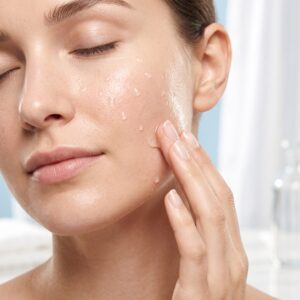

Aesthetic Applications of Exosomes
- Skin Rejuvenation: Exosomes stimulate fibroblasts to boost collagen and elastin, resulting in firmer, smoother skin.
- Fine Lines and Wrinkles: They help renew dermal cells, minimizing the appearance of aging signs.
- Hyperpigmentation and Brightening: Exosome formulations can reduce uneven pigmentation and promote a radiant complexion.
- Hair Restoration: Exosomes may revive dormant follicles and encourage healthier hair growth by delivering growth factors to hair follicles
- Combination Therapy: Exosomes enhance the effects of treatments like microneedling or laser by accelerating healing and amplifying results.
What We Do
Revitalize Your Skin’s Natural Youth & Radiance
Enhanced Collagen and Elastin Synthesis
Accelerated Recovery
Deep Hydration
Minimal Downtime
Begin Your Skin Revival Journey Today

How Are Exosomes Applied in Facial Treatments?
- Skin Preparation: The face is thoroughly cleansed, and a mild exfoliation or enzymatic peel may be performed to optimize skin receptivity.
- Combination with In-Office Procedures: Exosomes are often paired with microneedling, laser resurfacing, or chemical peels. The microchannels or newly treated skin layers enhance the absorption of growth factors and signaling molecules.
- Topical Application: Following the primary procedure, exosomes are applied topically, then gently massaged or absorbed for deeper penetration.
- Post-Treatment Protocol: A gentle skincare routine and sun protection are essential for supporting skin regeneration and maintaining results.
- Frequency and Follow-Up: Treatment schedules vary, but many patients undergo an initial series of sessions and subsequent maintenance treatments every few months for optimal long-term benefits.
Final Words
Exosomes are an exciting breakthrough in regenerative medicine, offering immense potential for transforming aesthetics. With ongoing research, scientists are uncovering how exosomes can promote skin rejuvenation, repair tissue, and enhance precision in aesthetic treatments.
As this field evolves, exosomes could revolutionize how we approach anti-aging and skin health, enabling more effective and targeted solutions. The future is bright for exosome-based aesthetic advancements, promising transformative results and innovative treatments.
Frequently Asked Questions (FAQs)
Unlike conventional products, exosomes use advanced biological ingredients. These components work on a cellular level to stimulate collagen production and repair damaged skin, offering unparalleled results.
Exosomes are an excellent complement to treatments like microneedling and chemical peels. Its nutrient-rich formula accelerates healing, reduces inflammation, and enhances the overall outcome of these procedures.
Patients typically notice improved hydration and smoother skin texture within the first few weeks. More significant results, such as reduced fine lines and enhanced firmness, are usually visible after consistent use over several months.
References
Ash M, Zibitt M, Shauly O, Menon A, Losken A, Gould D. The Innovative and Evolving Landscape of Topical Exosome and Peptide Therapies: A Systematic Review of the Available Literature. Aesthet Surg J Open Forum. 2024 Mar 19;6:ojae017.
Cheng M, Ma C, Chen HD, Wu Y, Xu XG. The Roles of Exosomes in Regulating Hair Follicle Growth. Clin Cosmet Investig Dermatol. 2024 Jul 5;17:1603-1612.
Sharma P, Maurya DK. Wharton’s jelly mesenchymal stem cells: Future regenerative medicine for clinical applications in mitigating radiation injury. World J Stem Cells. 2024 Jul 26;16(7):742-759.
Hajialiasgary Najafabadi A, Soheilifar MH, Masoudi-Khoram N. Exosomes in skin photoaging: biological functions and therapeutic opportunity. Cell Commun Signal. 2024 Jan 12;22(1):32.
Kalluri R, LeBleu VS. The biology, function, and biomedical applications of exosomes. Science.